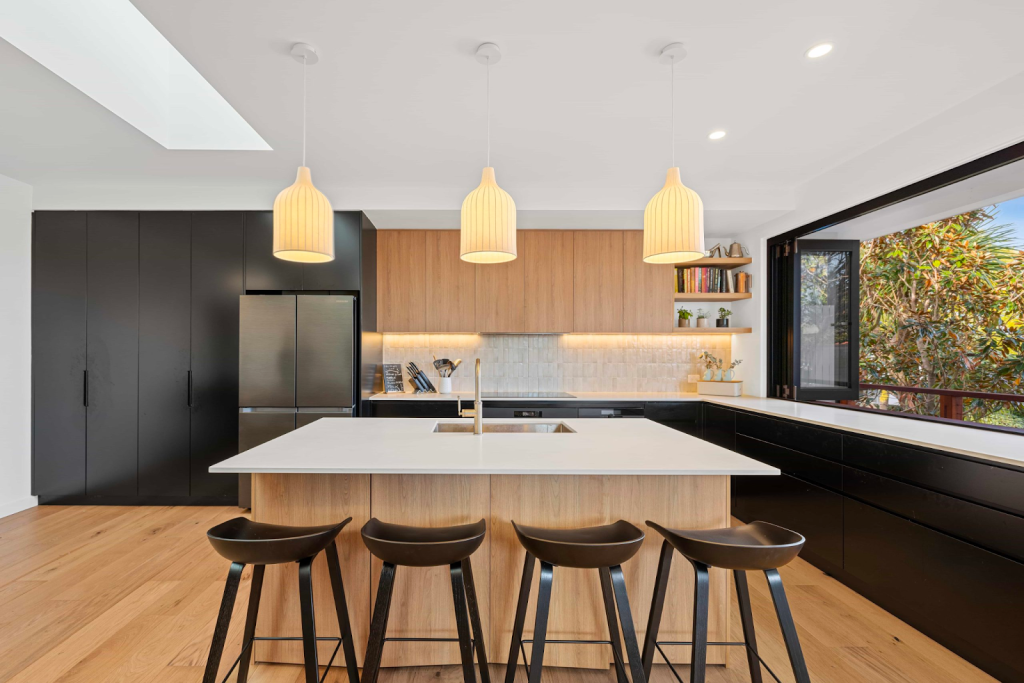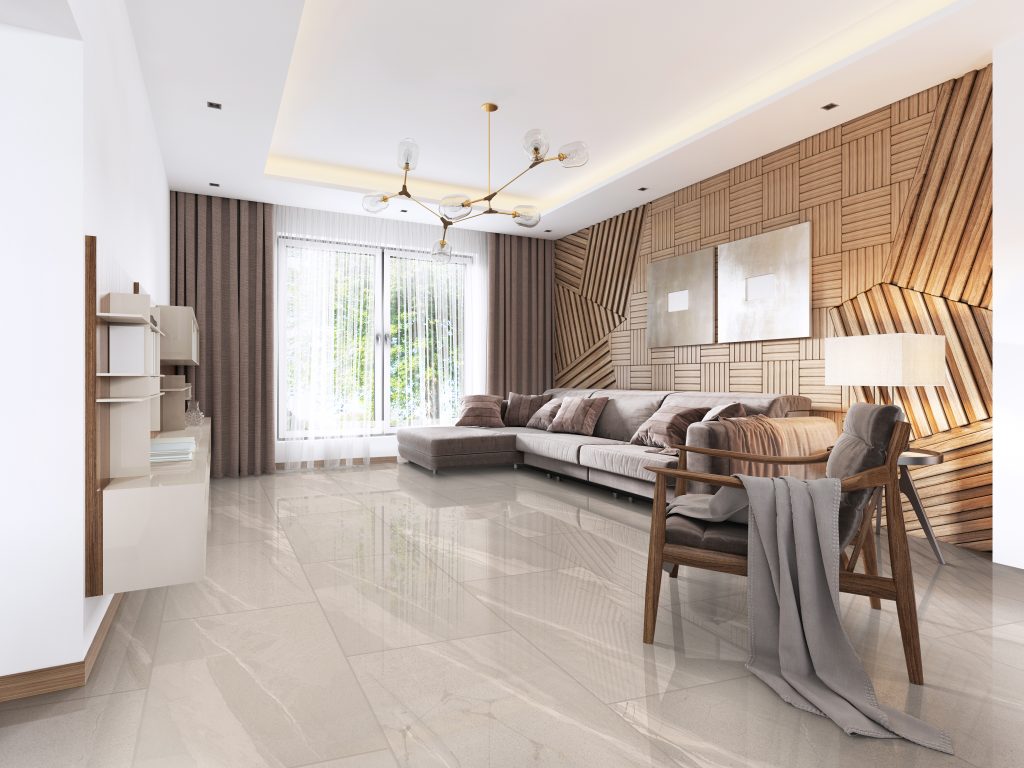
In 2025, Seattle homeowners are no longer asking if they should renovate with the planet in mind – they’re asking how. Choosing eco-friendly tile and sustainable flooring has become one of the simplest, most impactful ways to create a green home that’s healthier for your family and kinder to the Pacific Northwest we love.
Eco-friendly tile combines beauty, durability, and responsibility. These non-toxic materials reduce indoor air pollution, cut waste through recycled content, and lower your home’s carbon footprint – all while looking stunning in Craftsman kitchens and modern Capitol Hill bathrooms. Keep reading for practical, Seattle-specific guidance that actually works in our rainy climate.
Understanding Eco-Friendly Tile
True eco-friendly tile goes far beyond a “natural” label. Sustainable flooring is made from responsibly sourced, low-impact, or recycled materials and manufactured with minimal energy and chemical use.
Non-toxic tile materials avoid harmful VOCs (volatile organic compounds), heavy metals, and PVC. The best options carry third-party certifications such as:
- Greenguard Gold (strictest indoor air quality standard)
- Cradle to Cradle Certified
- FloorScore
- Health Product Declaration (HPD) transparency
The EPA notes that certified low-VOC products can reduce indoor air pollutants by up to 90% compared to conventional finishes – critical in Seattle homes sealed tight for half the year.
Benefits of Using Sustainable Flooring
Opting for sustainable flooring in your Seattle home offers numerous benefits:
- Health-Friendly: Non-toxic tiles improve indoor air quality, making your home safer for family and pets.
- Environmentally Responsible: Tiles made from recycled materials reduce waste and conserve natural resources.
- Long-Term Durability: Eco-friendly tiles are often highly durable, saving money on replacements and maintenance.
A study by the Green Building Council highlights how environmentally conscious materials can reduce long-term household energy and maintenance costs.
Types of Eco-Friendly Tiles
When choosing eco-friendly tile, consider the following options:
Ceramic & Porcelain Extremely durable, fully recyclable, and now available with 40%+ recycled content. Look for lines certified by the Tile Council of North America’s Green Squared standard.
Recycled Glass Tile Made from discarded bottles, windows, or factory cullet. 100% recyclable again at end-of-life and naturally mold-resistant – perfect for Seattle showers.
Terrazzo with Recycled Aggregates Combines recycled glass, marble chips, or even Seattle-sourced seashells in a low-carbon matrix.
Natural Stone (responsibly quarried) Locally sourced Montana travertine or British Columbia slate cuts transportation emissions dramatically.
Bamboo & Cork Tile Rapidly renewable, warm underfoot, and naturally antimicrobial when properly sealed.
How to Choose the Right Tile for Your Seattle Home
Selecting the right tile involves more than sustainability – it should also suit your home’s environment and lifestyle:
- Climate Considerations: Seattle’s wet climate requires tiles that are slip-resistant and moisture-tolerant.
- Interior Design: Choose colors, textures, and patterns that complement your home while remaining environmentally responsible.
- Certifications & Safety: Look for LEED-certified products and non-toxic tile materials to ensure both sustainability and safety.
- Local Guidance: Follow Seattle tile tips for sourcing, installation, and trusted local suppliers.
Seattle tile tip: Pair your tile with low-VOC thinset and grout (Mapei, Laticrete, or Bostik green lines) to keep the entire system non-toxic.
Installation & Maintenance Tips
To maximize the benefits of your eco-friendly tiles:
- Use only environmentally safe flooring adhesives and grouts – many conventional thinsets off-gas formaldehyde for months.
- Seal natural stone and grout with water-based, zero-VOC penetrants (not solvent-based).
- Clean with simple castile soap or pH-neutral cleaners – harsh chemicals defeat the purpose of non-toxic tile materials.
- Regular maintenance actually extends life and keeps your sustainable flooring looking new for 30–50+ years.
Cost Considerations
Yes, premium eco-friendly tile often costs 20–50% more upfront:
| Material | Typical Cost per Sq Ft (2025) | Long-Term Value |
| Standard big-box ceramic | $3–$7 | Frequent replacement |
| Recycled porcelain | $7–$14 | 50+ year lifespan |
| Recycled glass mosaic | $15–$30 | Never goes out of style |
| Local natural stone | $9–$20 | Adds resale value |
The durability, health benefits, and energy savings usually pay back the difference within 7-12 years – and you’ll never need to replace it again.
Choosing eco-friendly tile isn’t just a trend – it’s the responsible way to build a green home that protects your family’s health and preserves the natural beauty of the Puget Sound region.
From recycled glass that sparkles in rainy-day light to locally quarried stone that lowers shipping emissions, sustainable flooring lets you renovate beautifully without compromise.
Eco Seattle Cleaners helps homeowners choose sustainable flooring and eco-friendly tiles that protect your health and the environment. Follow our Seattle tile tips for a green home that lasts for years to come.
Ready to start your project? Contact us for a free eco-tile recommendation tailored to your Seattle home.