Seattle gets over 38 inches of rain a year, yet our water bills keep climbing and summer droughts are becoming the new normal. The average Seattle household uses 45% of its water indoors on bathrooms alone. The good news? A few strategic eco bathroom upgrades can cut that number in half while creating a healthier, more sustainable space.
Here’s exactly what works in our wet climate – plus real 2025 costs and savings for Seattle homeowners.
Why Water-Saving Bathroom Upgrades Matter Now
Seattle’s water rates rose another 6.8% in 2025, and Cedar River watershed restrictions are tighter than ever. A family of four can easily burn through 12,000 gallons a month just flushing, showering, and brushing teeth.
Switching to water-saving fixtures is the single biggest impact most homeowners can make – often with a payback period under 3 years.
Top 6 Eco Bathroom Upgrades That Actually Save Water
Dual-Flush or Low-Flow Toilets (The Heavy Hitter)
Old toilets use 3.-7 gallons per flush. Modern low-flow toilets and dual-flush models use 0.8–1.28 gallons.
- Best performers: Kohler, Toto, and American Standard WaterSense-labeled models
- Average water savings: 13,000 gallons/year per household
- 2025 cost installed in Seattle: $650–$1,400
- Rebate: Up to $100 from Saving Water Partnership
High-Efficiency Eco Showerheads
The EPA WaterSense standard guarantees you’ll use ≤2.0 gpm (gallons per minute) without noticing a drop in pressure.
- Top Seattle picks: – High Sierra all-metal 1.5 gpm (made in California, nearly indestructible) – Bricor UltraMax 1.25 gpm (feels like 2.5 gpm) – Delta H2Okinetic 1.75 gpm (great for hard Seattle water)
Average savings: 2,700 gallons per person per year
Cost: $45–$180 installed
Touchless or Low-Flow Bathroom Faucets
New sensor and 0.5-1.0 gpm aerators cut sink usage by 70%.
Pro tip: Pair with a small instant hot-water recirculator so you’re not running the tap waiting for heat – zero waste.
Greywater Recycling or Shower-Loop Systems
- Simple: Greywater diverter to irrigate landscape (legal in Washington with permit)
- Advanced: Hydraloop or AquaRecycle residential units that treat and reuse shower water for toilets
2025 Seattle cost: $4,000–$12,000 installed
Payback: 5-9 years + huge drought-proofing bonus
Sustainable Design Materials That Reduce Future Water Damage
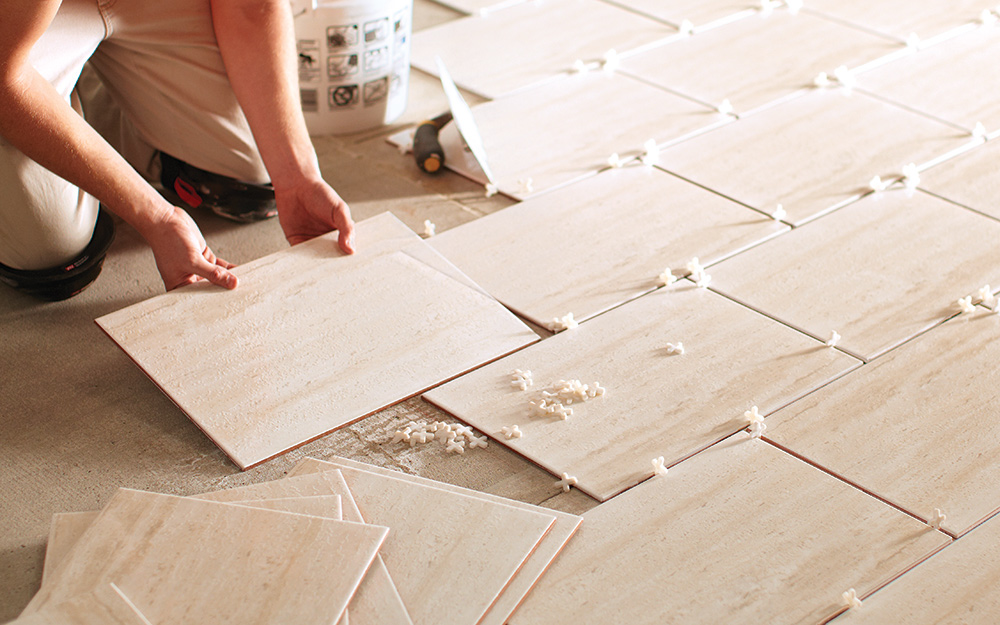
- Waterproof luxury vinyl plank or sealed cork instead of hardwood
- Cement board + Schluter-Kerdi waterproofing systems (prevents leaks that waste thousands of gallons in repairs)
Smart Leak Detectors & Shut-Off Valves
Flo by Moen, Phyn Plus, or LeakSmart automatically shut water off if a pipe bursts while you’re at work. Seattle insurance companies now offer discounts for these.
Real Seattle Numbers: What You’ll Actually Save
| Upgrade | Upfront Cost (Installed) | Annual Water Savings | Annual Bill Savings* | Payback Period |
| Low-flow toilet | $850 | 13,000 gallons | $180–$240 | 3–4 years |
| Eco showerhead | $120 | 8,000 gallons | $110–$150 | <18 months |
| Low-flow faucets (×2) | $450 | 4,000 gallons | $55–$75 | 5–6 years |
| Full bathroom package | $3,500–$7,500 | 25,000+ gallons | $450–$650 | 5–9 years |
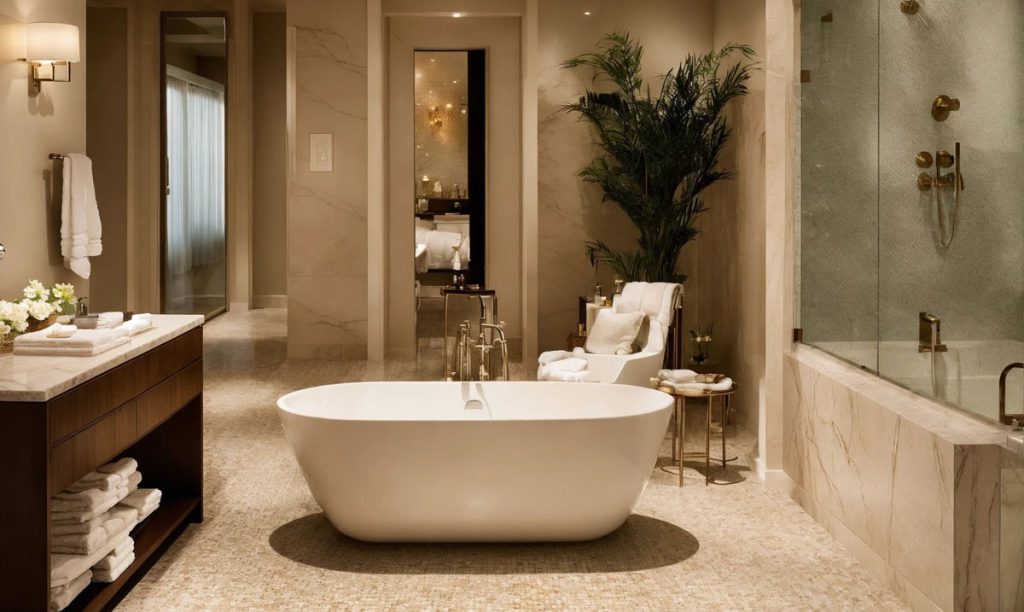
Green Bathroom Ideas That Look Luxe, Not “Eco”
- Rain showerheads with LED lighting (no electricity needed – runs on water pressure)
- Matte-black WaterSense fixtures (on-trend and ultra-efficient)
- Recycled glass tile paired with large-format porcelain (less grout = less mold risk in Seattle humidity)
- Floating vanities with open shelving (easier cleaning, better airflow)
Eco-friendly bathroom upgrades not only help save water – they also reduce utility bills and support long-term sustainable design in your Seattle home. Whether you choose low-flow toilets, eco showerheads, recycled tiles, or smart monitoring devices, each improvement contributes to a greener lifestyle and a healthier planet.
Eco Seattle Cleaners empowers Seattle homeowners with practical, eco-conscious remodeling bathroom advice. From water-saving fixtures to sustainable materials and green bathroom ideas, we’re here to help you create a home that’s efficient, beautiful, and environmentally safe. Stay tuned for more guides on eco-friendly renovations, smart remodeling tips, and sustainable home design.