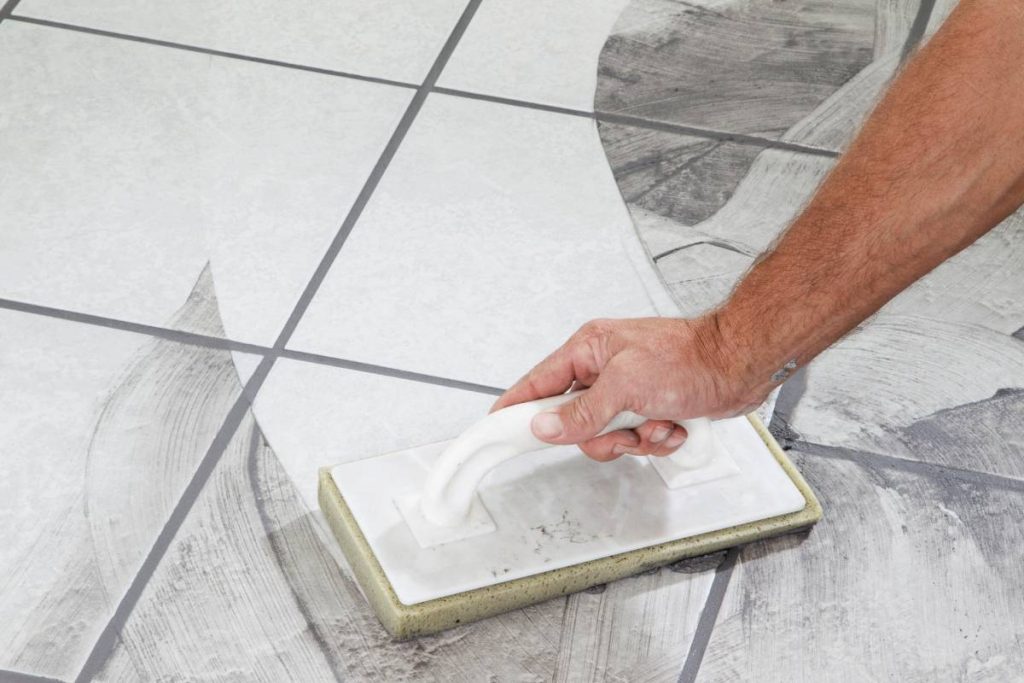
If you live in a place like Seattle – with variable weather, frequent rain, and seasonal moisture – proper care of tile in your home (bathrooms, kitchen, entryway, even outdoor patios) is not just about aesthetics. It’s about durability. Ceramic and porcelain tiles are popular for floors and walls because they’re resilient – but only when maintained correctly. With the right tile maintenance and tile cleaning tips, your tile floors and walls can continue to look great and perform well for years. Below we share 10 practical, expert-backed tips for owners of Seattle homes, to help ensure long-lasting tiles.
Sweep/Vacuum & Damp-Mop Regularly (Weekly)
- Dust, dirt, grit, and small particles act like sandpaper – they scratch tile surfaces or wear down grout lines over time. Regular sweeping or vacuuming prevents this.
- Follow up with a damp mop (not soaking wet) once or twice a week using warm water – or a mild, pH-neutral cleaner made for tile surfaces.
- Avoid over-wetting the floor. Excess water can seep into grout, leading to discoloration or mold issues – especially in bathrooms or wetter climates like Seattle.
Clean Spills and Stains Immediately (Stain Removal)
- The glazed surface of many ceramic and porcelain tiles resists stains, but grout lines are porous and far more vulnerable. Spilled liquids – water, coffee, wine, oil – should be wiped up immediately with a soft cloth or sponge. This reduces the risk of stains setting in.
- For stubborn stains (grease, food spills, mud, etc.), use a gentle tile-appropriate cleaner. Avoid harsh chemicals or abrasive tools. These can damage the tile finish and erode grout.
Prioritize Grout Care – Seal & Reseal Grout Periodically (Grout Care)
- Grout is often the weakest point in a tile installation – more porous and prone to moisture, dirt, and stains. Sealing grout lines after installation is critical.
- For many installations, professionals recommend resealing grout every 6–12 months (or at least once a year), depending on foot traffic and exposure to humidity or water.
- When cleaning grout, use a soft brush (nylon or similarly gentle) – avoid steel wool, metal brushes, or aggressive scrubbing pads that can wear down grout or scratch tile.
Use pH-Neutral or Tile-Safe Cleaners – Avoid Harsh Chemicals & Abrasives
- For ceramic and porcelain tile upkeep, always choose mild, pH-balanced cleaners designed for tile or grout. Strong acids, ammonia, bleach, or overly alkaline detergents can degrade grout – and in some cases dull or damage tile glaze.
- Avoid abrasive scrubbing tools – steel wool, metal brushes, hard pads – they scratch the tile surface and wear down grout over time.
- After cleaning, rinse thoroughly with clean water to remove any residue, then dry. Residue or lingering cleaner can attract dirt and make future cleaning harder.
Perform Deep Cleaning Every Few Months
- Beyond weekly upkeep, every few months consider a deeper cleaning: using a mild tile-appropriate cleaner (or steam mop – if tiles and grout are sealed properly) can refresh grout lines and tile surfaces and remove buildup that regular mopping misses.
- After deep cleaning, rinse thoroughly and dry the floor properly. This helps prevent residue, soap scum, or moisture build-up – all of which can degrade tile and grout over time.
Use Preventive Measures: Doormats, Rugs, Furniture Pads
- Place doormats at entryways (both exterior and interior) to reduce the amount of dirt, grit, and moisture tracked onto tile floors – this protects both tile surface and grout lines.
- Use area rugs or runners in high-traffic zones (hallways, kitchen, entryway) to reduce wear and tear – helping to maintain long-lasting tiles.
- Put felt pads under furniture legs (chairs, tables, heavy furniture), to avoid scratches or chips when furniture moves.
Inspect & Repair Damaged Tiles or Grout Promptly
- Over time, grout lines may crack or crumble, or individual tiles could loosen or chip – especially in high-traffic areas. Periodically inspect your tiled floors or walls for signs of damage. Ignoring small issues can lead to bigger problems (water ingress, further cracking, mold).
- If you see cracked grout or loose tiles – re-grout or replace affected tiles, then reseal grout. Timely repairs help prolong tile life and prevent damage spread.
Consider Outdoor & Climate Effects – Especially Relevant for Seattle Homes
- If you have outdoor tiles (patios, terraces, etc.), regular sweeping to remove leaves, grit, and debris is important – especially after rain or windstorms. Dirt and organic debris can accumulate and degrade grout.
- Avoid letting water puddle on tile surfaces or grout in outdoor areas. Moisture + Seattle’s climate can encourage mold or grout deterioration. Use appropriate drainage or sealers designed for exterior tile.
- For colder seasons, avoid harsh de-icing chemicals directly on tile patios – some de-icing salts or chemicals may damage grout or tile surface over time. While specific sealing for external tile/grout helps, periodic inspection is important.
Choose Quality Tools – Soft Mops, Microfiber Cloths, Gentle Brushes
- Use soft-bristle or microfiber mops and clothes for cleaning. They trap dust and dirt effectively without scratching tile surfaces.
- Avoid steel wool, scouring pads, and hard-bristled brushes. These can cause microscratches, dull the glaze or damage grout over time.
- Rinse tools frequently (especially mop heads) to avoid redistributing dirt onto the floor. Also, avoid using the same mop water for too long – dirty water can leave residue and degrade grout lines.
Establish a Maintenance Routine – Consistency Is Key for Long-Lasting Tiles
- Create a simple schedule: for example, weekly dust/vacuum + damp mop; monthly spot-check + grout line cleaning if needed; deep clean every few months; reseal grout every 6-12 months (or as recommended). A routine ensures that tile and grout remain in top condition.
- Keep track of what you do (cleaning, sealing, repairs) – especially if you manage multiple spaces (bathroom, kitchen, outdoor patio). This helps identify patterns (e.g. high wear, frequent stains) and act early.
- For Seattle homeowners – where humidity, rain, and seasonal moisture can stress tile installations – consistent maintenance makes the difference between short-lived floors and beautiful long-lasting tiles.
With proper tile maintenance, regular tile cleaning tips, grout care, and timely repairs – your ceramic or porcelain tile floors and walls can look great and function well for many years. The secret lies not in occasional deep cleans, but in consistent, gentle upkeep.
At Eco Seattle Cleaners, we know that every home in Seattle – from bathrooms and kitchens to patios and entryways – deserves tile that stays beautiful yet durable. If you need professional cleaning, grout sealing, or advice on tile upkeep for your home, we’re here to help.
Want more expert guides on tile selection, installation, or design ideas? Subscribe to our blog and stay tuned for future articles focused on sustainable, practical home renovation and maintenance.