When you live in a city like Seattle – with its lush greenery, frequent rains, and a growing community of eco-aware homeowners – a simple remodel becomes an opportunity. An opportunity to transform your living space into a green home that respects the environment, saves energy, and feels better to live in. Below are thoughtful, practical ideas for a renovation that honors these values – from choosing reclaimed materials to energy-efficient upgrades and low-impact construction practices.
Reuse and Reclaim: Materials with History
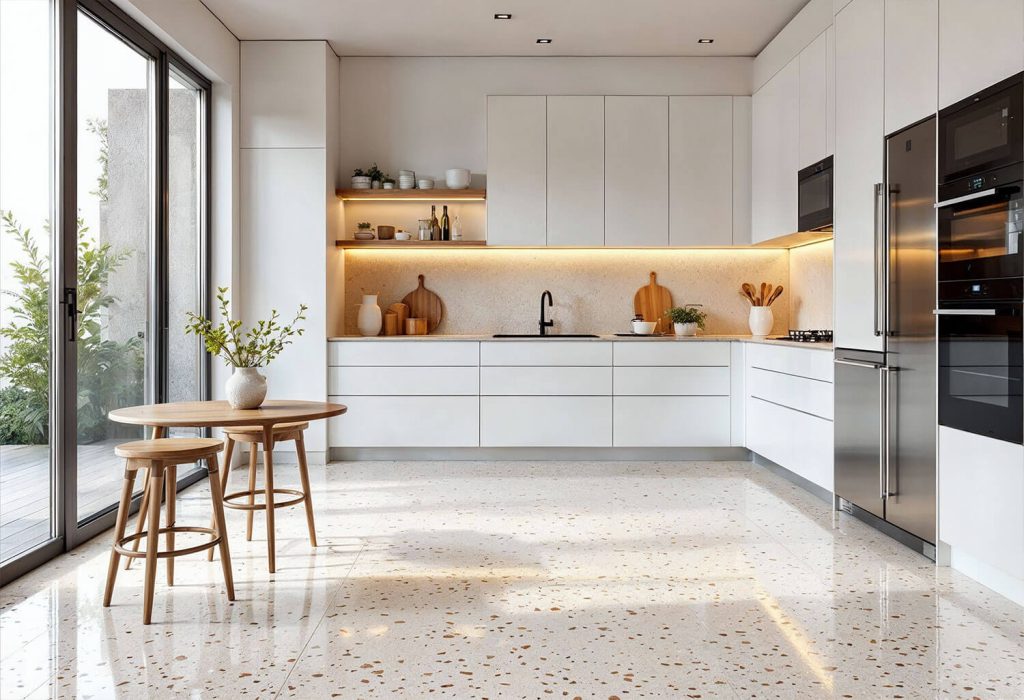
Imagine walking into your renovated kitchen or living room and seeing warm wooden floors that once served in another home, or a countertop made of recycled glass shimmering softly under evening light. By choosing recycled or reclaimed materials, like salvaged wood, recycled metal, or glass, you’re giving new life to old resources – reducing demand for virgin materials and cutting down construction waste. This approach is not only environmentally responsible, but also gives your space a unique character, distinct from mass-produced interiors.
In addition, sustainable materials often come with other benefits: natural warmth, timeless appearance, and longevity. For example, bamboo or responsibly sourced wood can be excellent for flooring or cabinetry – combining durability with eco-consciousness.
Lock In Comfort and Efficiency: Insulation, Windows, Sealing
An eco-friendly remodel isn’t just about what you see. A major key lies beneath the surface – improving insulation, sealing drafts, and upgrading windows. These changes might seem mundane, but they create a ripple effect throughout your home. Better insulation and airtight sealing mean less heat loss in winter, less heat gain in summer, and thus lower energy consumption all year round. In other words: comfort, consistent temperature, and lower utility bills.
For homeowners in Seattle, where weather swings and humidity are part of everyday life, such upgrades are especially valuable. Over time, this reduces reliance on heating and cooling systems – a core goal of any energy-efficient upgrades strategy.
Smart, Lower-Impact Systems: Lighting, Water, Energy Use
Renovation – whether major or modest – is a perfect time to rethink not just materials, but how your home uses energy and water. Switching to LED lighting, installing energy-efficient appliances, or adding smart thermostats and controls can dramatically reduce energy consumption. These choices make your remodel part of a broader eco-friendly remodel plan, where each element works toward sustainability.
Water efficiency also plays a role. Low-flow fixtures, water-saving faucets and toilets, or even planning for greywater reuse or rainwater harvesting (if feasible) can significantly reduce your home’s resource footprint. It’s not just about lower bills – it’s about stewardship of natural resources and building a home that’s aligned with sustainable living.
Breathe Easy: Non-Toxic Finishes & Healthy Materials
When renovating, many traditional materials – paints, adhesives, sealants – may emit volatile organic compounds (VOCs) and other potentially harmful chemicals. For a home that truly respects both the planet and those who live in it, selecting low-VOC paints, natural finishes, and eco-friendly adhesives is a must. Not only does this support healthy indoor air quality, but it’s also a fundamental aspect of a “green remodel” philosophy.
Combined with reclaimed or renewable materials, such finishes help create a living space that feels natural, safe, and in harmony with sustainability values.
Minimize Waste, Maximize Value: Thoughtful Planning & Reuse
Sustainable renovation also means being mindful, not wasteful. Rather than ripping out everything and sending debris to landfill, consider deconstruction – carefully dismantling existing structures to salvage usable materials for reuse or donation. This reduces waste, saves resources, and aligns with the ideals of low-impact construction.
Planning renovations in phases, reusing or repurposing furniture and fixtures, and sourcing locally available materials can significantly lower the environmental footprint of your project, often at no extra cost – sometimes even saving money.
Long-Term Thinking: Comfort, Value, and Responsibility
Ultimately, sustainable renovation isn’t about one single upgrade – it’s about a mindset: building or renovating with care, responsibility, and foresight. A home that is well-insulated, energy-efficient, made with sustainable or recycled materials, and built with low-impact methods, is a home built for decades. You enjoy lower utility bills, healthier indoor environment, and likely higher property value – especially as more buyers value eco-conscious living.
For residents of Seattle – where weather, sustainability awareness, and appreciation of natural beauty often intersect – this approach matches both practical needs and values. A smart, eco-friendly remodel can offer real comfort, savings, and peace of mind.
Revamping your home doesn’t have to be environmentally costly. On the contrary – with thoughtful planning, mindful material choices, and energy-efficient upgrades, you can turn your space into a true green home that aligns with your values. A renovation done right means a home that’s healthier, more efficient, and built to last.
If you’re ready to transform your Seattle home into an eco-conscious living space – or just need advice on which upgrades make the biggest difference – feel free to reach out. We at Eco Seattle Cleaners are here to guide you through sustainable renovation ideas, help you make informed decisions, and make sure every step respects both your home and the planet.