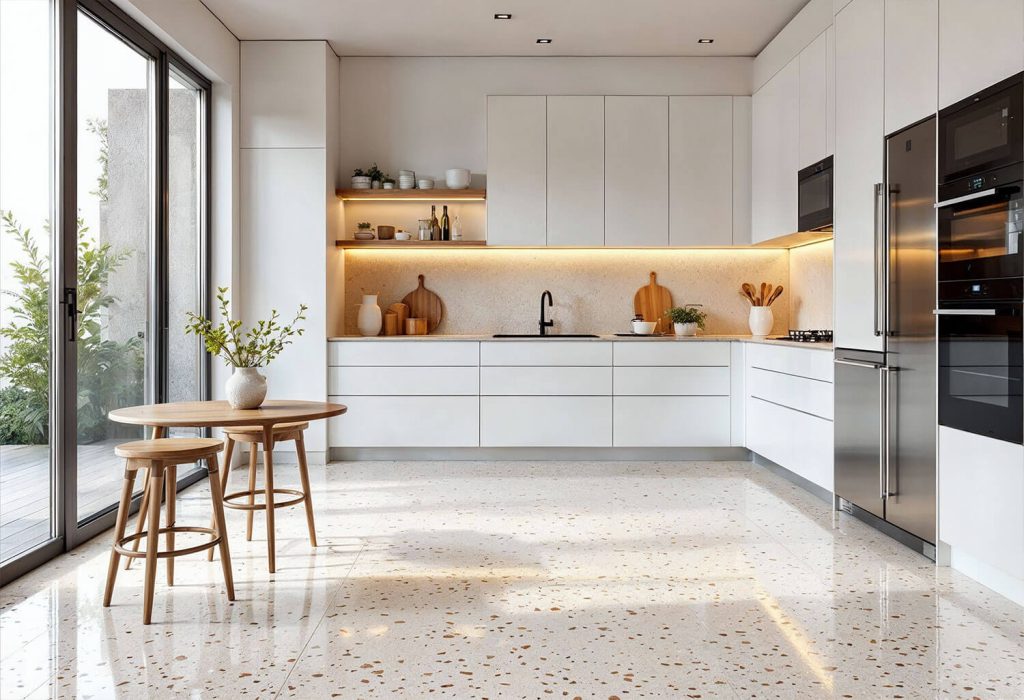
When planning home improvements or a full renovation in Seattle, choosing the right flooring makes a big difference – especially given the unique Pacific Northwest climate. This guide reviews the top tile materials for home flooring, compares porcelain vs ceramic, and helps you decide on durable tiles, moisture-resistant flooring, or eco-friendly tiles for lasting quality.
Why Tile Materials Matter in Seattle Homes
Seattle’s climate – with its frequent rain, humidity, and occasional temperature swings – demands flooring that can withstand moisture, resist wear, and remain low-maintenance. Good tile materials protect your home from water damage, reduce the risk of mold or stains, and ensure that floors and walls stay beautiful for years.
Moreover, as homeowners increasingly value sustainability and practicality, eco-friendly tiles and durable materials are not just design choices – they’re smart, long-term investments.
Porcelain vs Ceramic: Key Differences
When it comes to tile, the two most common choices are porcelain tiles and ceramic tiles. Understanding their differences helps you choose the right material for each space in your home.
Porcelain Tiles
- Made from finer clay and fired at higher temperatures, resulting in a denser, harder, less porous tile body.
- Extremely low water absorption (often less than 0.5%), which makes porcelain highly suitable for moisture-prone areas like kitchens, bathrooms, and entryways.
- Very durable – resistant to scratches, chips, stains – ideal for high-traffic floors and long-term use.
- Available in a wide variety of finishes and styles – including options that mimic natural stone, wood, or concrete – giving great design flexibility.
Ceramic Tiles
- Made from a coarser clay and fired at lower temperatures than porcelain.
- Generally more porous than porcelain; water absorption rates are higher, which can make them less ideal for very wet or humid areas unless properly sealed.
- Easier to cut and install – which can make them more budget-friendly and suitable for DIY or decorative wall/floor projects.
- Great for lower-traffic areas, decorative backsplashes, or rooms where moisture is less of a concern.
When to Use Porcelain vs Ceramic in Your Home Flooring
| Scenario / Room | Recommended Tile Material | Why It Works |
| Kitchen floor or high-traffic entryway | Porcelain | Moisture-resistant, durable, resists stains and wear over time |
| Bathroom floor / laundry / mudroom | Porcelain | Very low water absorption – ideal for wet environments |
| Living room or bedroom flooring (moderate use) | Ceramic or Porcelain | Ceramic is budget-friendly; porcelain adds durability if you prefer longevity |
| Backsplash or accent wall in kitchen/bath | Ceramic | Easier to cut and install, good decorative options |
| Large scale renovation / long-term investment | Porcelain | Better long-term performance, less maintenance, more design flexibility |
| Budget-conscious projects | Ceramic | Lower cost, sufficient for low-moisture, low-traffic areas |
Considering Durability, Moisture-Resistance and Eco-Friendly Options
If you prioritize durable tiles and moisture-resistant flooring, porcelain generally offers the best performance. Its dense, vitrified body means it resists water, stains, temperature shifts, and heavy foot traffic. For homeowners who want longevity – especially in a Seattle home with rain, humidity, and everyday wear – porcelain tends to be the safest bet.
At the same time, many ceramic and porcelain tile producers now offer eco-friendly tiles – made from recycled materials, low-VOC glazes, or sustainable clay – which help align a renovation with greener living standards. When combined with proper installation and maintenance, these tiles offer both style and sustainability.
Installation and Maintenance: What to Know
- Porcelain tiles, because of their density, often require more careful installation and a flat, stable substrate; professional installation is usually recommended for best results.
- Both porcelain and ceramic tiles benefit from sealed grout and proper grout maintenance to keep water and dirt from seeping between tiles.
- Regular sweeping and damp mopping help preserve the tile surface; porcelain’s low porosity makes cleaning easier and reduces risk of stains over time.
Selecting the right tile materials for your Seattle home depends on how you plan to use each room, the exposure to moisture, and your long-term goals. For floors and areas exposed to water or heavy use, porcelain tiles stand out as the most durable, moisture-resistant flooring choice. For lighter-use areas or budget-conscious projects, ceramic tiles still offer attractive, cost-effective options.
If you care about design flexibility, durability, moisture protection, and even sustainability – combining the right tile material with smart installation and good upkeep will let your floors and walls look beautiful for decades.
Eco Seattle Cleaners is here to help you at every step: from selecting the right tiles for your home, to recommending eco-friendly options, to offering practical maintenance advice – so your floors stay durable and stylish long after installation.