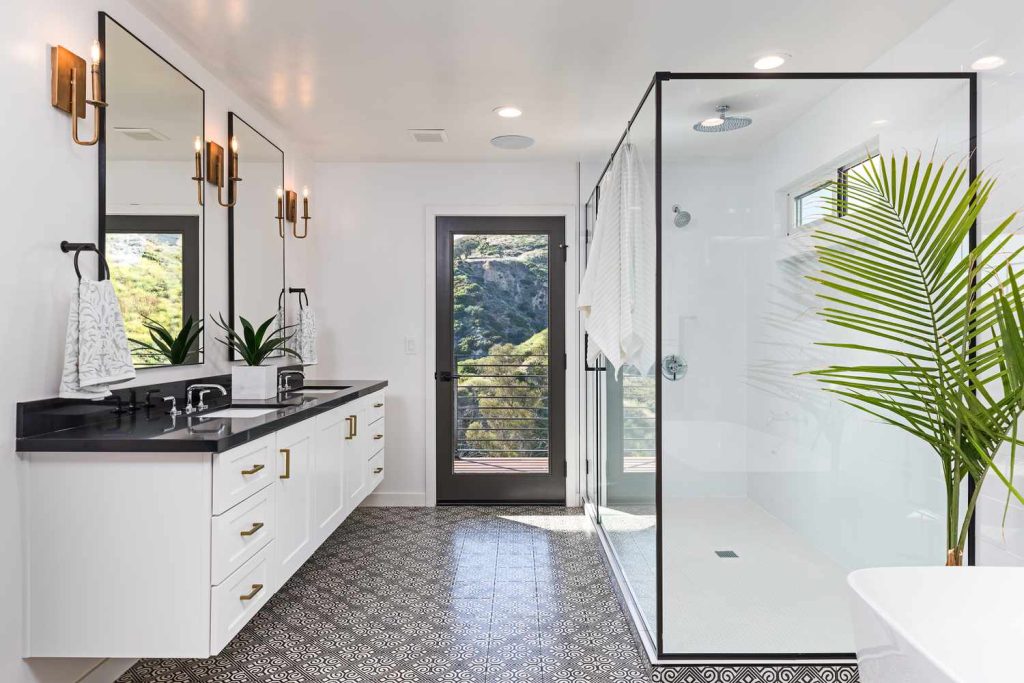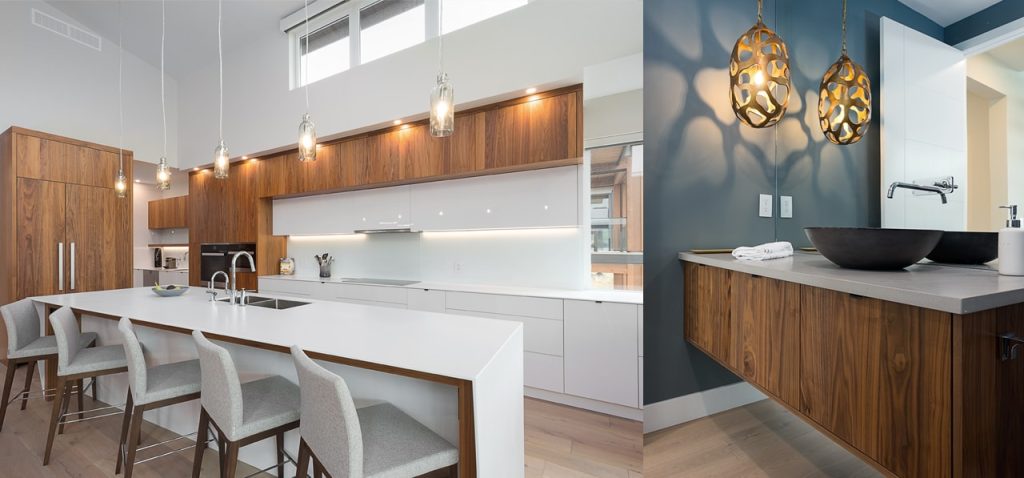
Renovating a bathroom or kitchen can dramatically improve your home’s comfort, functionality, and value – but it can also become expensive if you don’t plan carefully. With smart renovation planning, clear budgeting, and cost-saving strategies, you can keep remodeling costs under control while achieving the look and quality you want. This guide will help you budget a bathroom renovation or kitchen remodel realistically, avoid surprises, and make smart spending decisions.
Understand Typical Costs & Industry Benchmarks
Before you start picking materials or talking to contractors, it helps to know what a typical remodel might cost today. According to a recent 2025 overview, a mid-range kitchen remodel in the U.S. usually runs between $30,000 and $45,000, while a more upscale kitchen remodel may cost $75,000 to $120,000. For bathrooms, a mid-range bathroom renovation tends to cost around $25,000-$35,000, and upscale bathroom remodels often reach $45,000-$70,000.
Of course, actual costs vary depending on project scope, material quality, size of the room, and whether you are re-configuring layout, plumbing, or just refreshing finishes. For smaller or partial updates, remodeling costs can be significantly lower, whereas full gut-renovations or luxury-level remodels – with premium fixtures, custom cabinetry, tile work or structural changes – will push costs toward the higher end of the spectrum.
Break Down Your Budget: What Costs What
A useful step in renovation planning is breaking down the total budget into categories – this helps you see where your money goes and where you might save. Below is a rough breakdown common for kitchen remodels (but similar principles apply for bathrooms too). The percentages can vary depending on the materials, project complexity, and choices.
Why a contingency matters: Even the best-planned projects often run into surprises – hidden plumbing issues, outdated wiring, unexpected structural fixes, or permit delays. It’s widely recommended to set aside 10-20% of your total budget for these unknowns.
This breakdown helps you prioritize: if your total budget is, say, $40,000 – you’ll get a clearer sense of what portion goes to cabinets, appliances, labor, and allowances for extras or surprises.
Define Your Scope: Full Remodel, Partial Update, or Refresh
One of the most important early decisions that affects cost is the scope of the renovation. Broadly, you have three levels:
- Full Remodel / Gut Renovation – includes layout changes, moving plumbing or electrical, replacing cabinetry, flooring, walls, fixtures, sometimes structural work. This is the most expensive but offers the highest return in comfort and value.
- Mid-Range Remodel – mostly stays within existing layout, upgrades cabinets/appliances/fixtures and finishes; perhaps some cosmetic changes. Good balance between cost and upgrade quality.
- Cosmetic Refresh / Partial Update – replacing a few elements (like sink, faucets, hardware, paint, tiles) without major structural or layout changes. This is cost-efficient and often suitable when you want moderate improvements without big investment.
Your renovation planning should start with a realistic decision about which of these scopes fits your budget and goals.
Smart Cost-Saving Tips Without Sacrificing Quality
Even if you’re working with a moderate or tight renovation budget, there are ways to reduce costs while still getting a good result:
- Reuse or refinish existing cabinetry – if the cabinet boxes are in good shape, painting or refacing doors and updating hardware costs much less than full replacements.
- Choose standard sizes and materials – stock or semi-custom cabinets and standard-sized appliances are typically cheaper than custom-made items.
- Limit structural changes – major changes to layout, plumbing, or walls increase labor, design fees, and permit needs; avoid if your budget is limited.
- Do cosmetic updates yourself when possible – if you have DIY skills, painting walls, installing simple fixtures, or adding trim can cut labor costs (but leave plumbing and electrical work to licensed professionals).
- Buy materials during sales or discounts – appliances, tiles, and fixtures often go on sale; waiting or buying in bulk can lower costs.
- Prioritize high-impact upgrades – invest in elements that improve both functionality and appearance (like efficient fixtures, quality flooring, modern lighting), and save on less visible finishes.
These cost-saving measures help homeowners achieve a functional, attractive result without overshooting their renovation budget.
Plan for Timing, Permits, and Hidden Costs
Renovation doesn’t only involve purchasing materials and hiring contractors. Several “behind-the-scenes” factors influence your total cost and timeline:
- Permits and inspections – depending on location and scope (e.g., moving plumbing, electrical), you may need building permits; cost and permit timelines vary by municipality.
- Labor availability and contractor rates – good contractors often book weeks or months in advance; labor costs also vary by region, and rush jobs may cost more.
- Hidden issues – older homes may reveal plumbing problems, outdated wiring, mold, structural weaknesses once walls are opened up – these add unexpected costs.
- Contingency fund – as noted above, always allocate 10-20% of your total budget to accommodate surprises or upgrades decided mid-project.
Accounting upfront for these variables gives you a realistic renovation plan and helps prevent financial stress partway through.
Sample Budget Worksheet
Here’s a simple illustrative worksheet you can use to plan your own renovation – adjust numbers depending on your total allocated budget:
| Item | Planned % of Budget | If Budget = $40,000 |
| Cabinets & Hardware | 28% | $11,200 |
| Countertops & Surfaces | 12% | $4,800 |
| Appliances / Fixtures | 12% | $4,800 |
| Flooring & Finishes | 8% | $3,200 |
| Plumbing / Electrical / Technical Work | 12% | $4,800 |
| Labor & Installation | 25% | $10,000 |
| Permits / Design / Misc | 5% | $2,000 |
| Contingency (15%) | — | $6,000 |
| Total | 100% + contingency | $46,000 |
Use this as a starting framework. Adjust percentages based on your priorities – if you plan high-end finishes, you may allocate more to surfaces or hardware; if you want to save on fixtures, shift more budget to labor or contingency.
Align Budget with Your Goals & ROI Considerations
When budgeting a kitchen remodel or bathroom renovation, it’s useful to clarify your long-term goals. Are you renovating to:
- Improve daily comfort and functionality?
- Increase home value before selling?
- Create a long-term “forever home” and invest in quality?
Depending on your aim, your budgeting strategy will differ. For resale-focused remodels, it may make sense to stick to mid-range finishes and avoid over-customization – since return on investment (ROI) may not justify premium expenditures. For long-term living, investing more in quality materials, durable fixtures, and good design makes more sense. This aligns with guidance from renovation professionals.
Budgeting a bathroom renovation or kitchen remodel doesn’t have to be overwhelming. By grounding your plans in realistic cost data, breaking down your budget into categories, defining a clear scope, and applying cost-saving strategies, you can achieve a stylish and functional renovation without financial stress. Always allow a contingency buffer for surprises, and prioritize the elements that give you the biggest return in comfort, usability, and long-term value.
With thoughtful renovation planning and smart budgeting, your kitchen remodel or bathroom renovation can transform your home – delivering lasting quality and satisfaction.
Eco Seattle Cleaners empowers Seattle homeowners with practical, eco-conscious remodeling advice. From water-saving fixtures to sustainable materials and green bathroom ideas, we’re here to help you create a home that’s efficient, beautiful, and environmentally safe. Stay tuned for more guides on eco-friendly renovations, smart remodeling tips, and sustainable home design.